
How-To Guide · SKIN TECH HUB
How to Use an LED Face Mask: Steps, Frequency and Cleaning for Home Beauty Devices
Using an LED face mask for the first time? Start on clean, dry skin and follow the manual for light colour, session time and frequency. This guide covers preparation, skincare order, cleaning, storage and safety.
The short answer
An LED face mask should generally be used on a clean, dry face, with the mode, session time and frequency set according to the product manual. Light sources and output vary between devices, so there is no single minute count that suits every mask — and you should never extend sessions on your own in the hope of faster results.
What is an LED face mask?
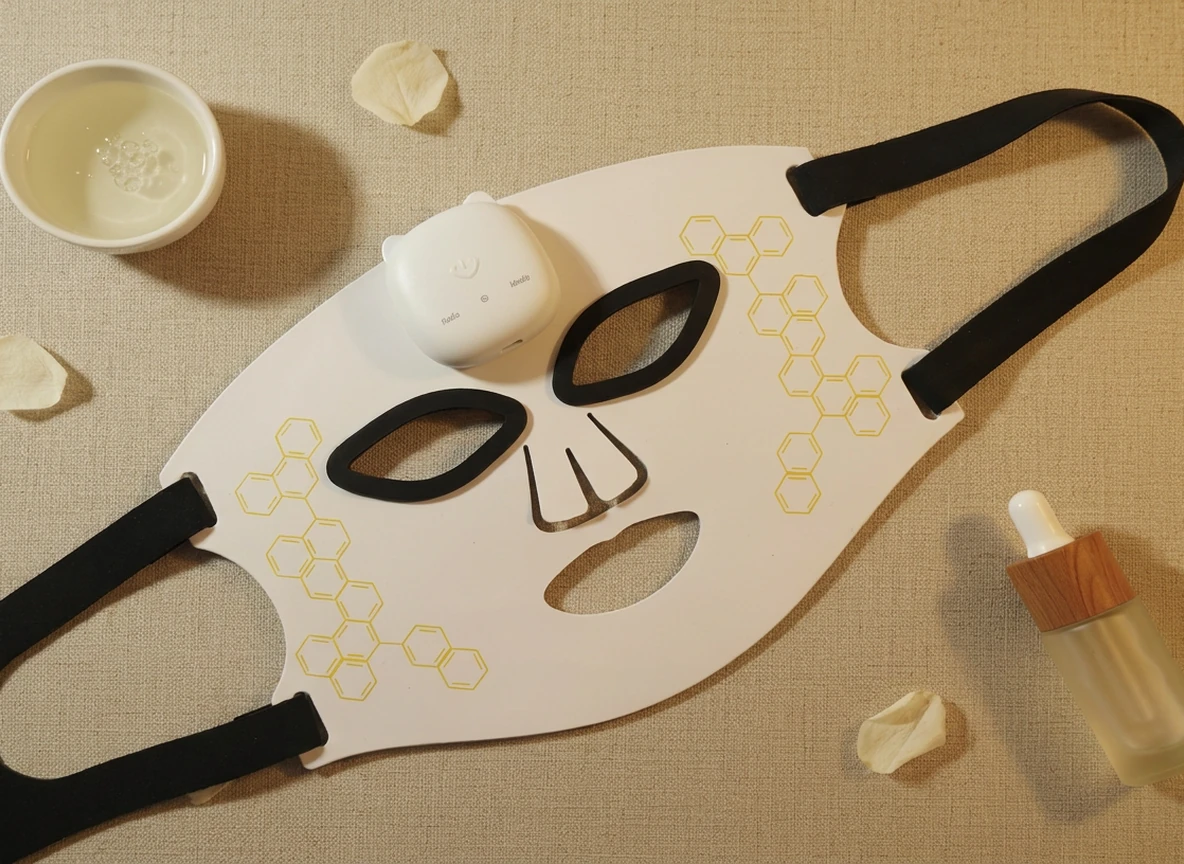
An LED face mask is a home beauty device that positions light-emitting diodes close to the face. Each light colour corresponds to a different wavelength, and studies also measure energy, distance and exposure time. So “glowing red or blue” is only part of the picture — findings from one device cannot simply be applied to every product.
Home masks can differ from clinic devices in output and treatment design. The Cleveland Clinic notes that improvements from home devices are usually more modest and require consistent use as directed.Source 1
Using an LED mask for the first time: five steps
- Read the manual first. Confirm the charging method, available light colours, preset times, eye protection and contraindications. Fully charge wireless models before use, and do not wear the mask while it is charging unless the manual explicitly allows it.
- Cleanse and dry your face. Remove makeup, sunscreen, oil and dirt so the skin is clean and dry. Unless the manual specifies a companion product, do not apply a thick layer of serum or a sheet mask before a session.
- Adjust the fit. Secure the mask with the head strap; it should not slide or press into the skin. Use eye protection as directed, and avoid looking directly into the light source while it is on.
- Select a mode and start the timer. For your first sessions, begin with the more conservative programme in the manual and watch how your skin responds; do not stack multiple sessions on your own.
- Power off, clean and moisturise. Switch the device off before removing the mask, then clean the contact surfaces as instructed. Afterwards, apply a simple moisturiser, and use sunscreen as usual during the day.
Stop immediately if you develop persistent redness, stinging, burning, blistering or eye discomfort. If symptoms persist, seek medical advice rather than switching to another light colour and carrying on.
How often should you use an LED face mask? Is daily use okay?
Follow the manual that comes with your device — do not copy another brand’s “ten minutes a day” or “three to five times a week”. Wavelengths, irradiance and preset programmes vary widely across studies and retail devices, so the same minutes do not mean the same dose.
| Stage | Safer approach | Avoid |
|---|---|---|
| First use | Read the instructions and warnings, start with the recommended conservative programme and watch how your skin reacts. | Extending session time or running multiple modes back to back from day one. |
| Everyday care | Keep to the frequency the product recommends, and note the mode, time and your skin’s response. | Treating another brand’s treatment schedule as a universal standard. |
| If discomfort appears | Stop immediately; seek help from a medical professional if needed. | Pushing through stinging or burning because discomfort supposedly means it is “working”. |
The Cleveland Clinic cautions that red-light devices can harm skin or eyes if used incorrectly or excessively, and that long-term safety still needs more research.Source 2
Should you apply serum before an LED mask?
There is no single answer that applies to every mask. Some systems specify a companion serum; others are designed for clean, dry skin. The safest approach is to follow the instructions for your device — don’t reorder the routine because of an online tutorial.
Basic principles to follow
- Before a session: remove makeup, cleanse and dry the skin; use only products the manual explicitly recommends.
- If you take medication or use skincare ingredients that may increase photosensitivity: check with a doctor or pharmacist first — never stop prescribed medication on your own.
- After a session: keep it to gentle hydration, and avoid layering several highly active ingredients straight away.
- Daytime: LED sessions do not replace sunscreen; apply a suitable sunscreen as part of your normal routine.
How should you clean and store an LED mask?
A mask sits in close contact with your skin, so regular cleaning reduces the build-up of oil and skincare residue. Switch the device off and disconnect it from power first, then clean it using the methods the manual permits. A soft dry or slightly damp cloth is generally fine, but whether alcohol, detergents or wipes are acceptable depends on the materials and the manufacturer’s guidance.
- Unless the product is explicitly labelled washable, never immerse the mask or controller in water.
- Avoid bleach, abrasives and strong solvents, which can damage contact surfaces and electronics.
- Let the device dry completely before storing it, away from heat, direct sunlight and heavy pressure.
- Check the strap, charging cable and controller regularly; stop using the device if you find damage or unusual heat.
Who should speak to a professional first?
If you have photosensitivity, a skin or eye condition, a healing wound, are pregnant, or take medication that may increase photosensitivity, consult a doctor or qualified professional before you start. A home beauty device is not a substitute for diagnosis or treatment.
Frequently asked questions
Can you use an LED mask while it is charging?
Unless the manual explicitly allows it, finish charging and unplug before wearing the mask. The point of a wireless design is to be cable-free during use.
Is a longer session always better?
No. The dose depends on the output and duration of the light source; extending sessions on your own will not necessarily speed up results and may increase the risk of irritation.
Can I put makeup on straight after a session?
If your skin feels comfortable, you can generally follow your normal skincare and makeup routine; start with a gentle moisturiser and avoid layering irritating products in pursuit of faster results.
Can sensitive skin use an LED mask?
Sensitive skin is neither automatically suited nor unsuited. Check the product warnings first and begin with the conservative programme; if you have a skin condition, photosensitivity or are undergoing treatment, consult a medical professional first.
Research and sources
The links below are for further reading. Research findings apply only to the devices, wavelengths, doses and participants studied — they are not a guarantee of this product’s results.